Learning to become an ally for unheard voices
Understanding diversity, challenges, and resilience
Our research aims to understand and document the experiences of transgender individuals to increase awareness, inform policy and advocacy efforts, promote social change, and support education and awareness programs. It seeks to address systemic barriers, promote LGBTQ+ inclusion, and improve the environment in schools in order to be inclusive to everyone being there.
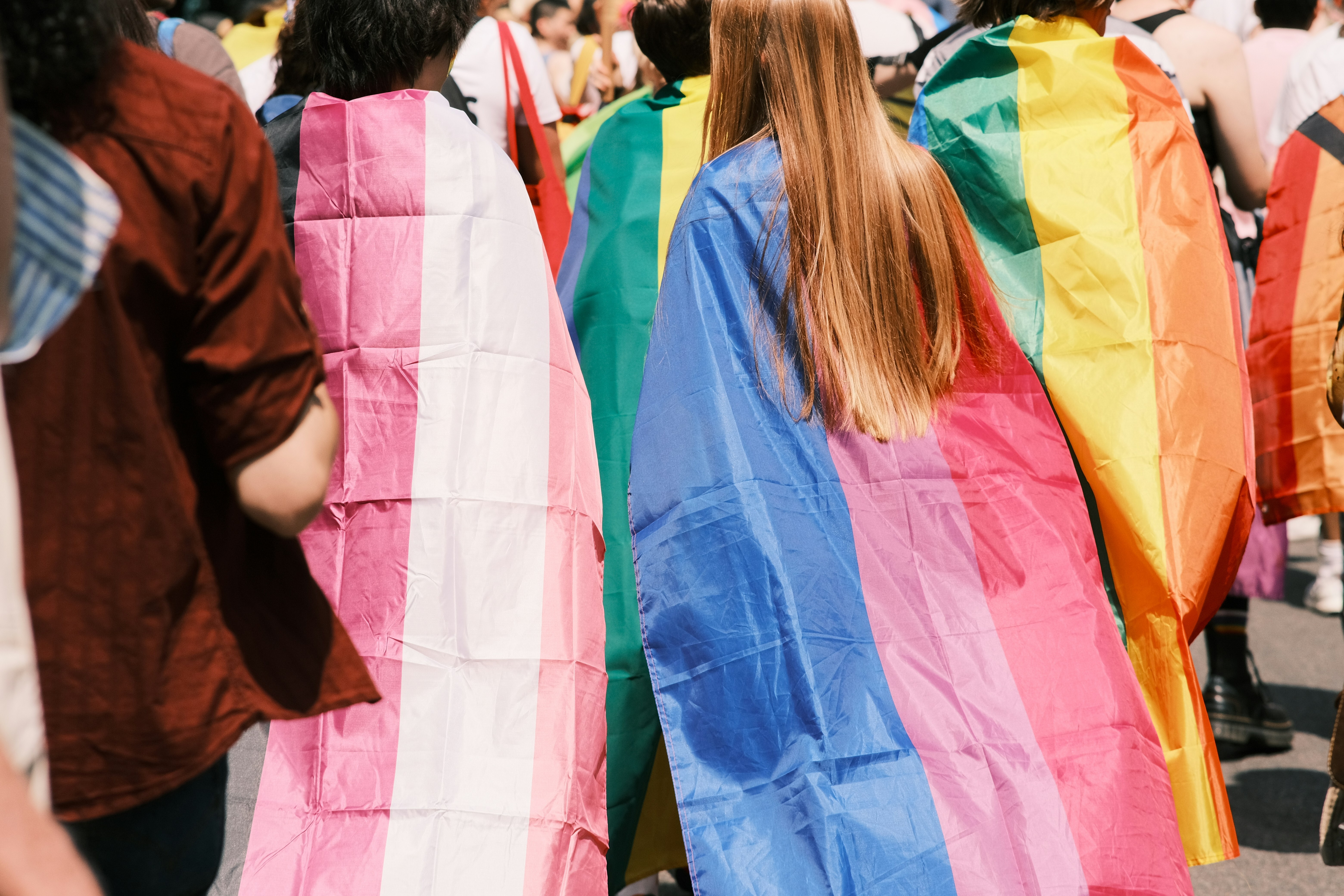

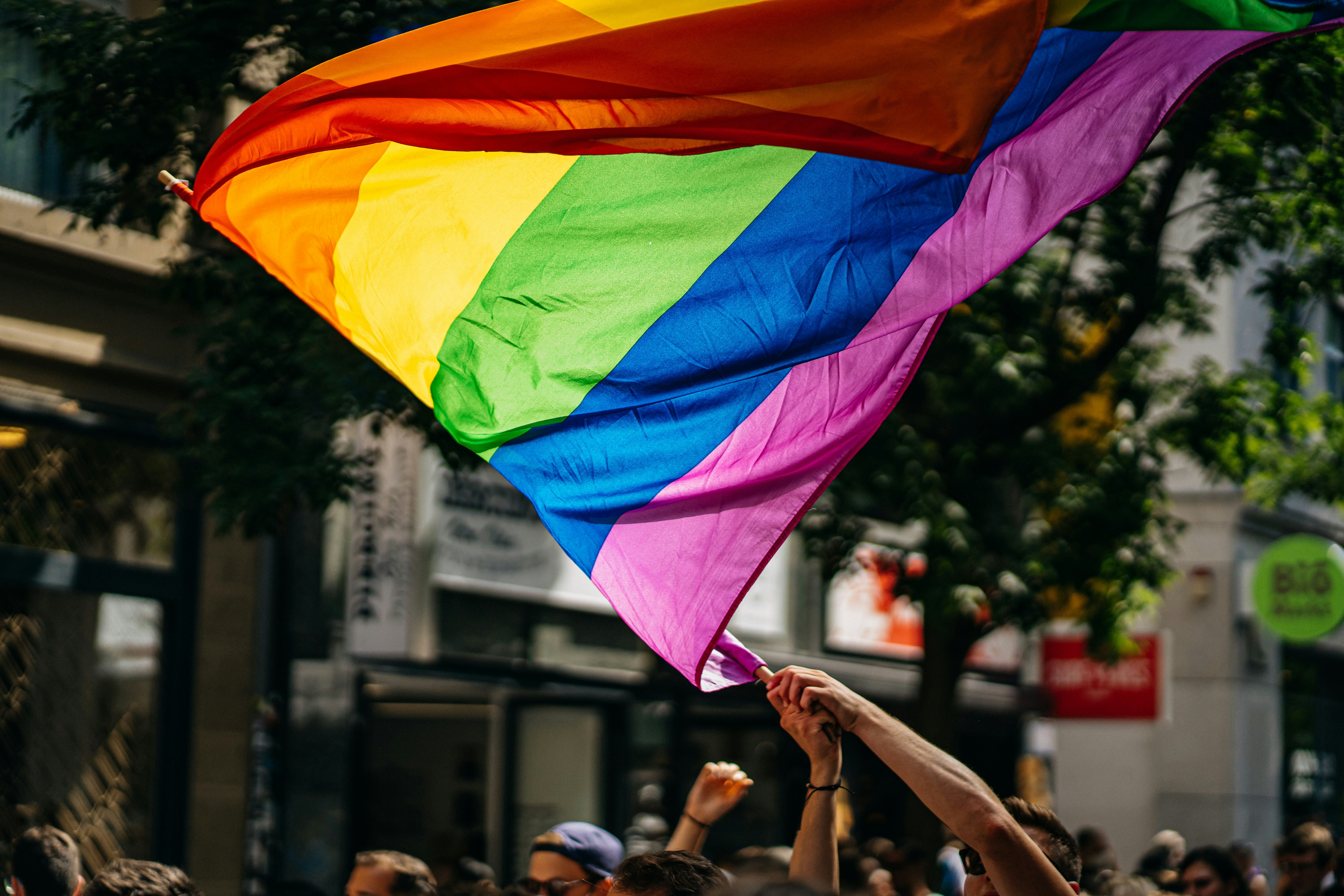

Some impressions
To kick off our research, we interviewed European youngsters in the participating countries. We anonymized their identities, but willingly share some of the insights they have provided us with.
The moment I saw someone like me, I realized I wasn't broken, I was simply becoming who I truly am. For so long I thought something was wrong with me, that I didn't belong anywhere. But the truth is, I was never lost, I was just waiting to be seen. Being myself isn't a phase or a problem to fix; it's the most honest thing I've ever done.
I'm not just 'the girl who likes girls.' I'm a person with the same fears, crushes, and hopes as anyone else. People often forget that love doesn't need labels to be real. I don't want to be the center of attention for who I love — I just want to be seen for who I am.
I'm not just 'the girl who likes girls.' I'm a person with the same fears, crushes, and hopes as anyone else. People often forget that love doesn't need labels to be real. I don't want to be the center of attention for who I love — I just want to be seen for who I am.
Findings
The conclusions drawn from our research can be linked to Judith Butler's theory of gender performativity, as outlined in Breaking Through the Binary: Gender Explained Using Continuums, which connects closely to the broader Genderbread concept. Butler's work reminds us that gender is not an innate trait, but a social construct continually shaped and reshaped through the repetition of behaviors, expressions, and norms associated with masculinity and femininity.
Through our interviews and conversations with young people who have faced challenges related to their gender identity, as well as reflections and discussions with participating students, we discovered the vastness and complexity of these experiences. The stories revealed a strong desire to belong, the pain of exclusion, and the essential role of allies and structures that create inclusion for those who are not automatically embraced. These voices emphasized that gender identity is deeply personal, yet profoundly influenced by the social environments that either affirm or deny one's authenticity.
By collaborating with institutions, schools, and professionals, we developed and collected materials designed to foster more inclusive school environments. These resources have been compiled into a comprehensive guide and practical Toolkit for inclusive education offering concrete steps, exercises, and examples to support all involved in schools in creating spaces where everyone feels safe and seen.
In addition, all insights and research findings have been brought together in a magazine and complemented with teacher training modules. These materials aim to inspire dialogue, reflection, and action within educational settings. If you would like to learn more about our findings, or explore how these materials can support your own school or project, please contact us via our contact page we would be glad to share and collaborate.
Conclusions highlights
The findings of our research, experiences throughout the project and Butler's theory help to elucidate how individuals navigate and negotiate their gender identities within social contexts.
Fluidity of gender expression
Gender is not a fixed state but a spectrum of possibilities, continuously shaped through expression and interaction. The stories and reflections in this project reveal that young people move fluidly across traditional boundaries of masculinity and femininity, redefining what it means to be authentic. This fluidity echoes Butler's understanding of gender as a lived and evolving performance rather than an inherent trait.
Social construction of gender
Our findings highlight that ideas about gender are deeply embedded in social expectations, traditions, and institutional structures. The way individuals experience and express gender is influenced by the norms that define what is considered "normal." In line with Butler's theory, this shows that gender is not something we are, but something we do, continuously produced through cultural and social interaction.
Intersectionality of identity
Gender never exists in isolation. It intersects with factors such as race, culture, class, sexuality, and ability, shaping how people experience inclusion, recognition, and power. The project underscores that understanding gender requires seeing the full complexity of identity a perspective that resonates strongly with Butler's broader critique of fixed and exclusive categories
Agency and resistance
Young people demonstrate resilience and agency by asserting identities that challenge restrictive gender norms. Through their voices and actions, they resist societal expectations and create new spaces of recognition and belonging. Their courage mirrors Butler's concept of performative resistance, acts that do not merely express identity but actively transform the meanings of gender itself.